Health
Self-care routine: how to take care of your physical and mental health.
Take care of your physical and mental health with a realistic self-care routine. Practical techniques, lists, charts, and sequences to help you feel better, healthier, and more balanced throughout your day.
Advertisement
It seems impossible to fit a self-care routine into the day, even knowing that we need to look after our physical and mental health. Small adjustments make an immediate difference.
Taking care of your body and mind requires attention to detail, from eating habits to choosing how to spend your free time. Prioritizing this care brings more balance and well-being.
In this article, you'll find practical tips, simple habits, and real-life sequences to incorporate self-care into your life in a natural, effective, and unhurried way.
Daily practice: define self-care blocks and complete each step.
Knowing what to do daily eliminates doubts and makes it easier to prioritize your self-care routine. Schedule times just for yourself and stick to them without negotiating with your schedule.
Taking planned action transforms self-care into a real commitment. Visualize each block of your day and choose at least one moment dedicated exclusively to your health.
Mini-checklist: actions to incorporate into your routine now
Take a 15-minute walk when you wake up, without your cell phone. Stretch before brushing your teeth. Take 5 minutes for deep breathing after lunch—it all fits into small blocks.
Apply this logic to the end of the workday: replace social media with ten minutes of reading a book or listening to calming music. Self-care routines happen even in gaps in your schedule.
Did you feel hesitant to start? Remember that each short block reduces fatigue and helps your body show positive signs quickly. Follow a block today and notice the difference.
Real-life scenario: "I thought it was impossible to prioritize"
Cristiane, 34, always used to say, "I don't have time." She started blocking out the beginning of the morning to prepare a relaxing coffee and noticed extra energy for the whole day.
At a family dinner, she chose to serve sparkling water instead of soda, as part of her self-care routine. Small choices create new patterns almost effortlessly.
After a week, she reports: “I thought it was just a fad, but I felt less anxious just having a moment to myself in the morning.” This account proves the process's effectiveness.
| Habit | Daily time | Difficulty level | Success indicator |
|---|---|---|---|
| Guided meditation | 10 minutes | Easy | Less irritation throughout the day. |
| Easy walk | 20 minutes | Average | You feel more energetic. |
| Preparing a healthy meal | 30 minutes | Average | Less desire to eat sweets |
| Hydration break | 5 minutes | Easy | Less dry skin |
| Gratitude Journal | 7 minutes | Easy | More optimism towards the end of the week. |
Environmental adjustment: modify your space and reduce distractions to ensure results.
Changing small aspects of the physical environment encourages the start or strengthening of a self-care routine. Display self-care-related items in visible places and reduce distractions.
A work desk can hold a bottle of water, a positive sticky note, or a diffuser with a relaxing aroma. These items serve as a reminder of the commitment to self-care during routine tasks.
Night routine: an environment for complete rest.
Remove screens from the bedroom at least half an hour before bedtime. Opt for softer lighting and close the curtains, maintaining an environment conducive to relaxation, a key element in a self-care routine.
Switch your phone to night mode and choose an object that is pleasing to the eye, such as a book. This signals to your body that it's time to slow down and focus on well-being.
- Organize your desk at the end of the workday to avoid visual clutter and start the next day with a clearer mind.
- Keep a bottle of water in an easily accessible place, remembering to drink small amounts during long activities.
- Use sticky notes with positive reminders or motivational phrases to renew your spirits and bring focus to your self-care routine.
- Keep a designated space for self-care accessories, such as moisturizers or oils, and set aside five minutes after showering to use them.
- Reduce the clutter on your bathroom counter to make hygiene routines easier and simpler when you're in a hurry.
Well-adjusted environments reduce distractions and promote the focus needed to establish daily habits without additional effort.
Practical script: "I leave it in sight, I do it without forgetting"
Place your self-care routine items where you can easily see them: moisturizer on the nightstand, a book next to the armchair, a water bottle on the table.
This simple repositioning takes self-care out of the realm of promises and places it in real action, encouraging consistent routines in daily life.
- Set an alarm on your phone to remind you to take short breaks, and remember to get up or stretch during those breaks.
- Position the aroma diffuser near a reading or work area to activate relaxing triggers in the environment.
- Leave your hiking clothes visible in the late afternoon, making it easier to head out in the morning for a more energetic start to the day.
- Before bed, pack a healthy snack to eat during moments of anxiety throughout the day, preventing impulsive choices.
- Install a motivational picture or photo in the room where you spend the most time, reinforcing your goals and strengthening your self-care routine.
Thus, routine becomes a visual presence, making daily tasks lighter and more automatic over time.
Sequences that prevent burnout: steps to restore energy throughout the day.
Establishing focused micro-breaks, eating mindfully, and pausing before exhaustion help keep the body and mind energized and balanced in any self-care routine.
Break down large tasks into smaller blocks and accept taking breaks. Moving around, getting up from your chair, and breathing deeply help prevent fatigue and reduce unnecessary pain.
Mini-ritual after difficult times
After a tense meeting, try closing your eyes and counting to ten deep breaths. Intentionally relax your jaw and shoulders, and uncross your legs.
Drink a glass of water and take a short walk, even if it's just around the room. This sequence promotes recovery before resuming tasks.
Repeat this process whenever you feel tense or discouraged. In a few minutes, your body will begin to respond positively and you will regain your focus.
Microprocesses to protect your self-care routine
When you feel the urge to compare your routine to others, pause and write down three small actions that worked for you today. Focus on progress, not perfection.
Recognize that each individual has a unique timing. Adjust your pace and celebrate consistency, not intensity. This adjustment maintains motivation for new habits.
Celebrate small, direct victories: swapping sweet bread for fruit, going to bed ten minutes earlier. Each positive decision fuels the self-care routine for the following day.
Food choices: plan meals with variety and visual balance.
Changing your relationship with food strengthens your self-care routine. Creating colorful plates, including fiber, protein, and healthy fats provides stable energy and reduces fatigue spikes.
Prioritize fresh foods, minimizing ultra-processed foods. Prepare quick snacks, such as sliced fruit or plain yogurt with seeds, and keep these snacks on hand throughout the day.
Practical guideline: quality of the dish before quantity.
Look at your plate before eating and count how many different colors appear there. The more varied the food, the more benefits for your body and mind in the context of your self-care routine.
Swap soda for water flavored with lemon or mint leaves at least one meal a day. By making this swap repeatedly, your preference for healthy options will grow.
Micro-planning: stress-free meals, balance without pressure.
Prepare a simple salad and keep it in the refrigerator to make choosing between appointments easier. Encourage family members to assemble their own plates, sharing experiences and making the process easier.
Avoid skipping long meals. Have small, planned snacks that will sustain you until your next meal, reducing anxiety and improving focus on other areas of your self-care routine.
Use Sunday evening to pre-organize ingredients, chopping fruits and vegetables. This reduces the laziness of preparing something healthy during the week and ensures consistency.
Change your mindset: shield yourself from external pressure and cultivate healthy comparisons.
Breaking free from the cycle of self-criticism is a central part of self-care routine. Adopting a curious rather than demanding perspective accelerates positive results and reduces social anxiety.
Get involved in healthy support groups, avoid social networks focused on unrealistic lives. Choose a mentor or friend who encourages you, not someone who demands unattainable performance.
Internal script: replace "I should" with "I choose today"
Instead of complaining, "I should have exercised more," try this in practice: "I chose to walk today because it will improve my mood tomorrow." A subtle change, a big difference in mood.
Repeat to yourself: "My current standard is sufficient for me at this stage." Write these phrases down as small anchors during the most difficult periods of the month.
Avoid broad phrases like "I need to improve everything." Instead, delve deeper into your self-care routine with specific actions. This reduces pressure and increases self-compassion.
Walking partners: strengthening bonds and avoiding comparisons.
Invite a friend for a weekly walk. Set fixed dates to cook healthy recipes together. The goal is to strengthen bonds without competing for progress.
Communicate expectations: “Let’s go to the park together, no pressure to perform” is a script that reassures and brings people closer. Gradually, the self-care routine becomes a shared pleasure.
Value sincere praise in support groups, encourage others without self-judgment. The virtuous cycle nurtured by positive comparison creates continuous engagement and greater emotional lightness.
Body signals: pay attention to physical messages and adjust your course.
Constant fatigue, brittle nails, and feeling listless upon waking indicate necessary adjustments to your self-care routine. Actively listening to your body prevents the worsening of simple symptoms.
Crossing your arms or clenching your jaw are signs of stress. When you notice these patterns, use this practical step-by-step guide: expand your chest, breathe deeply, and slowly release your jaw.
Brief entries: physical-emotional diary
When you experience muscle pain, quickly note the location, intensity, and context. After at least three days, look for patterns and relate them to what has changed in your self-care routine.
Each written record increases your awareness – a habit even recommended by the World Health Organization. This way, you can see real progress and correct course when necessary.
Establish fixed times for recording these actions, for example, right after lunch. Over time, the self-care routine becomes automatic, clear, and more effective.
Observational script: "When I noticed, I acted immediately."
If you notice your body hunched over the table, repeat an internal command: "Now, I'm going to stretch three times." View this physical cue as an opportunity, not a personal flaw.
These commands keep the body alert to hidden needs. Listen to the signals without judgment and adjust your self-care routine based on daily practical experience.
At the end of each day, one can thank their own body for signaling its needs. This strengthens internal bonds and positively reinforces the entire self-care journey.
Sustainable commitment: keep self-care as a definitive pillar in life.
Making self-care a permanent commitment requires constant review and adaptation to the real context of each phase. The secret lies in flexibility combined with acceptable repetition.
Change strategies when you feel discouraged, but keep self-care as a priority. Don't stop completely: reduce the intensity, but don't break the bond with self-care.
By following these realistic steps, the self-care routine ceases to be sacrificed. It becomes the foundation for greater productivity, health, and genuine well-being with each new life cycle.
Trending Topics
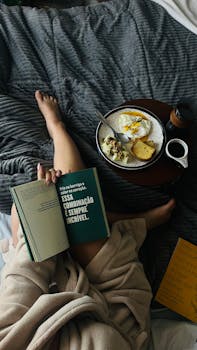
How to create a healthy routine even with little time: your simple guide to changing habits.
Keep Reading


It's Never Too Late for Love: Discover How to Find the Best Partners!
With a dating app for seniors, connect with people who share your interests: be it friendship or love.
Keep ReadingYou may also like


Starbucks is Hiring Immediately – Earn up to $$19/hour for Entry-Level Positions
Work at Starbucks! See salaries, exclusive benefits, career opportunities and how to apply for a job in the US.
Keep Reading
40,000 open positions at Walmart with salaries up to $34/hour
Work at Walmart! Salaries up to $14,000/hour, exclusive benefits, and how to apply. Apply today!
Keep Reading


