Health
How to create a healthy routine even with little time: your simple guide to changing habits.
Short on time? Discover how to create a simple, healthy daily routine with quick and easy tips that fit into your schedule. See real ways to change your habits effortlessly.
Advertisement
Changing habits seems difficult when time is short, but nobody needs to follow rigid formulas. A simple, healthy routine fits even into the busiest schedules.
Often, the desire to take care of oneself clashes with commitments and fatigue. This makes each small choice even more relevant for those seeking to feel better every day.
Discover in the following lines a practical step-by-step guide to fitting a simple healthy routine into your day, without requiring drastic changes.
Quick organization: the secret to fitting health into your routine.
A small but well-thought-out schedule can transform your results. Planning where to fit small actions in is the first step in creating a simple, healthy routine.
Setting schedules already makes a difference. Use an alarm to remind yourself to get up from your chair or prepare a better snack. The secret is to fit things in without overloading yourself.
Break down large tasks into smaller steps.
A person might prefer to list everything the night before: "Tomorrow I'll swap a snack for fruit." This makes it clear where to focus, making a simple healthy routine easier.
Breaking things down into smaller parts reduces the feeling of challenge. Saying "I'm going to walk for five minutes" is easier than setting aside an entire hour in a busy schedule.
Imagine this: while waiting for your coffee to brew, stretch your arms. Attaching simple actions to existing habits creates consistency without requiring extra effort.
Finding hidden times in the day
People with busy schedules find free minutes by spacing out appointments. Notice the gaps between meetings—there's room for deep breaths, a glass of water, or better posture.
The expression "I don't have time" can become "I found five minutes for myself." Recognizing gaps in your time prevents anxiety and allows for a simple, healthy routine even on a busy day.
On public transport, listen to an audio recording about health or take a deep breath while looking out the window. Use these breaks to strengthen habits without extra effort.
| Activity | Time required | Ideal situation | How to implement now |
|---|---|---|---|
| Drink water | 1 minute | During breaks | Place a small bottle on the table. |
| Stretch the body | 5 minutes | Upon waking up | Alarm on my cell phone when I wake up. |
| Healthy snack | 3 minutes | Afternoon | Leave hand-washed fruit |
| Deep breathing | 2 minutes | Between tasks | Computer reminders |
| To walk | 10 minutes | Lunchtime | Get off one stop before |
Minimal routines: small changes for big impact.
Making small swaps throughout the day allows you to create a simple, healthy routine. Just decide where to swap fast food for a sandwich or your cell phone for a short walk.
Put yourself in the shoes of someone who says, "Today, I swapped soda for water." Notice the effect of these small changes at the end of the week.
Customize the actions to your reality.
Instead of copying rigid routines, try personalizing them. If you like to sleep in, include physical activity in the evening. A simple, healthy routine respects your schedule.
Replace that habit that's hindering you with a better one: brush your teeth while listening to inspiring music in the morning. Your mind will associate pleasure with the new, healthy habit.
- Swap extra coffee for tea in the afternoon: this reduces anxiety and makes it easier to sleep.
- Use the stairs instead of the elevator when arriving at work, moving your legs and improving circulation during your workday.
- Keep healthy snacks in your bag: choose nuts to combat sudden hunger, replacing processed snacks instead.
- Opt for water or natural juice for a snack, avoiding soda. Your body will feel less bloated and tired at the end of the day.
- Take three minutes to stretch your neck before bed, relieving accumulated tension without needing to go to the gym.
These quick choices make a simple, healthy routine feasible even for those who feel they don't have the time or inclination for big changes.
Turning small mistakes into learning experiences.
If you slip up one day, don't blame yourself. Saying "I'll get back to it tomorrow with a small action" helps you stay focused without creating anxiety. Healthy routines don't require perfection.
If you notice that you tend to skip meals, include visual reminders in your environment, such as a granola bar on your office desk.
- Adopt the mindset "Today, I did my best." This maintains motivation even in the face of unforeseen events.
- Ask yourself: "What is the minimum action I can take right now?". This question reduces roadblocks when faced with large tasks.
- Smiling when you remember small victories fuels the desire to continue: celebrate every positive change in your simple, healthy routine, no matter how small.
- Communicate your goals to those close to you. Saying "I'm trying to have a simple, healthy routine" creates support, reduces judgment, and encourages good practices.
- Write down everything that works. A list of small victories serves as a reference and motivation for future daily challenges.
Every mistake generates learning and strengthens the next attempt. This makes the commitment more flexible and fun, without excessive pressure.
Simplifying food choices in a busy daily life.
Quick and healthy options make it easy to put together a feasible menu. Having a simple healthy routine means choosing healthy dishes without elaborate recipes or lengthy processes.
Here's a practical tip: choose fresh, unprocessed foods. Separate pre-cut fruits into individual portions. That way, making the right choice doesn't just depend on willpower at the moment.
Preparing convenient snacks for your daily routine.
Whole wheat bread, white cheese, fruits, and nuts create varied combinations. Arrange each one ready for use in small containers. The secret lies in the practicality that avoids relapsing into processed foods.
A person might say, "I prefer to prepare everything Sunday night." That's where a simple, healthy routine begins: by preparing food in advance, it becomes harder to succumb to temptations during the week.
Offering different options prevents boredom and avoids repeating the same flavors all the time. This enhances the pleasure of eating, without monotony.
Making smart and fast purchases
Make a weekly shopping list before going to the market, avoiding buying things you shouldn't. Choose basic foods: eggs, easy-to-prepare vegetables, and grains that don't spoil easily.
Avoid wandering through sections full of tempting products. Focus on the sides of the market, where you'll usually find fruits, vegetables, and fresh options.
A simple healthy routine begins even before hunger strikes, when you select what you will have available at home or at work.
Time for movement: short activities to keep the body active.
Thirty minutes a day isn't always possible, but adding five to ten minutes at a time already makes progress. Frequent movement is part of a simple healthy routine.
Stretching as soon as you wake up activates the body. Climbing stairs or taking a walk around the block at the end of the workday are effective ways to avoid being sedentary all day.
Include movement without realizing it.
Swap text messages for standing phone calls. While talking on the phone, walk around the house or down the hallway, moving your legs and relieving muscle tension.
While watching TV, do a series of jumping jacks or raise your knees while sitting on the couch. Small movements help even those who don't like formal exercise.
Use household objects: fill water bottles and do light resistance exercises with your arms, adding variety and creativity to a simple healthy routine.
Take advantage of work breaks to move around.
During work breaks, get up and move your shoulders, wrists, and ankles. This practice reduces pain caused by long periods of sitting, strengthens muscles, and improves energy levels.
Set alarms to remind you to perform these micro-movements every hour. Turn your coffee break into moments of stretching and relaxation, preventing injuries.
Inspire colleagues to participate. An engaged environment reinforces the collective idea of a simple, healthy routine, making it easier to maintain new habits with joy.
Small nighttime rituals: better sleep and a refreshed body.
Achieving a simple, healthy routine doesn't require going to bed early, but rather creating a calm environment for the body to fully rest. Establish a nightly ritual with short, enjoyable actions.
A few minutes before bed, dim the lights, turn off screens, and practice slow breathing. The body understands these signals and slows down for a deeper, more restorative sleep.
Nighttime script to slow down the mind.
Confirm: “Now just relax, I’ll continue tomorrow.” Create a personal routine: five minutes of light reading, calming music, and deep breathing.
Replace stressful conversations with positive thoughts or gratitude exercises. This ritual establishes a simple, healthy routine, even on the busiest nights.
Lie down and relax your body part by part, visualizing each muscle relaxing. If you think about commitments, write them down on a piece of paper to clear your mind before going to sleep.
Physical care without needing extensive preparation.
Washing your face and teeth signals to your body that the day is over. Use light creams, if you like, associating touch with self-care.
Stretch your back and legs at the edge of the bed. You don't need special clothing or accessories — just breathe deeply and acknowledge your living, active body.
This small ritual signals in practice the beginning of a simple, healthy routine: it doesn't require extra time, but it reinforces self-care with consistency and affection for oneself.
Bonus: Strategies for involving the family in new habits.
Creating a simple, healthy routine isn't always easy on your own. When the family participates, everyone benefits. Suggest small group routines, like preparing a salad together or going for a walk after dinner.
Creating family challenges, such as "today each person suggests a new recipe," promotes mutual encouragement, avoids food monotony, and strengthens family bonds.
- Schedule a time to prepare healthy snacks as a group: it builds motivation and encourages children to joyfully try new flavors.
- Schedule brisk walks after dinner: it aids digestion, reduces stress, and keeps everyone feeling active and light at the end of the day.
- Include children in the shopping list: ask them to choose fruits. This creates a bond and sparks curiosity about healthy foods from an early age.
- Launch a weekly challenge, such as "seven days without soda": it boosts team spirit and helps everyone stick to a simple healthy routine through fun.
- Share small victories of the day: celebrate each achievement together, whether it's in eating well or getting better rest, valuing small positive actions.
Taking the next step: perseverance without rigidity and real progress.
Maintaining a simple, healthy routine is achieved through small actions. Repeating the basics, celebrating small victories, and being flexible with what doesn't work reinforces progress.
There is no need for comparisons. Each person defines for themselves what well-being and health mean, adjusting expectations according to reality and individual needs.
Moving forward despite turbulent days, adapting instead of demanding too much of yourself, transforms health into a pleasurable and consistent process. A simple, healthy routine sustains results with ease.
Trending Topics
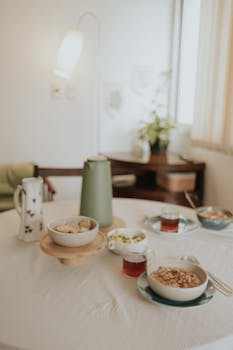
How to improve your diet without restrictive diets: balanced nutrition, concrete tips for your daily life.
Keep Reading

Apps for editing photos: Professional photographs with your cell phone
Photo editing apps provide comprehensive, easy-to-use tools to let your creativity flow and create professional photos.
Keep Reading